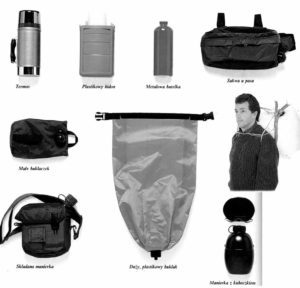
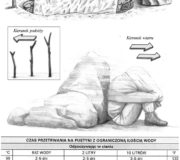
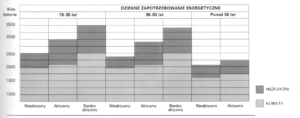
The daily demand of the human body in water is at least around 3 liters. Finding a permanent source of drinking water is a necessary condition for survival in the field. Water availability often determines the route and planned bivouaches, because even a car cannot be taken more than for a few days. If you travel on foot, You should always have a supply of water for one day and an iron reserve in the event of an accident. It should be supplemented at least once a day. The ability to find or obtain water is therefore extremely useful.
Where to look for water?
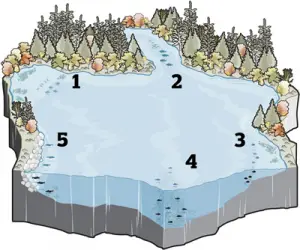
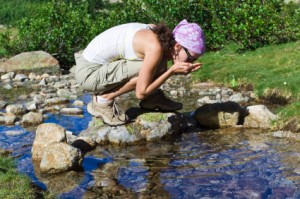
Falling rain on the slopes of the mountain creates small streams, which, flowing down, connect into larger streams. The streams converge in the rivers, which slowly roll their waters through the valleys, to fall into the sea. Sweet, Water suitable for drinking can be found on any floor of this system. Always the water obtained from natural sources should be delamed before consumption, to avoid poisoning or infection with a dangerous disease.
Trees
Trees and other clumps of vegetation infallibly indicate the proximity of water. Always look for the signs of life visible from afar, such , like trees.
Beach
If you start digging a hole below the border, to which the waves reach during the tide, You can be sure, that soon water will appear at the bottom of the cavity. If there is also sweet water on the beach, It will go to the top, because it has a lower density than salty.
Glacier
Strums of water usually flow from the mountain languages of the glaciers. However, you have to remember, that such water contains a large amount of sand, contrite rocks and other material, which can cause diarrhea. Set aside it before drinking, That the sand would settle at the bottom. In the morning it can be gently poured into the second dish by a filter.
Cliff
On the steep walls of the coastal cliffs, find green clay of vegetation such as mosses or ferns. Also look for cracks at the foot of the cliff, in which water can accumulate.
Rock chases and basins
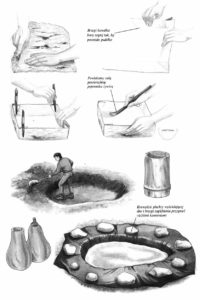
In the mountains, you should look into various cavities in the scales, where the rainwater is collected.
Dry riverbed
Digging in places, where she used to flow or water, like, for example, an old riverbed, It often brings results. It is better not to kick on the inside of the hatch in the dried bend, usually there is a thick and difficult to remove layer of silt or muck.