Pioneer
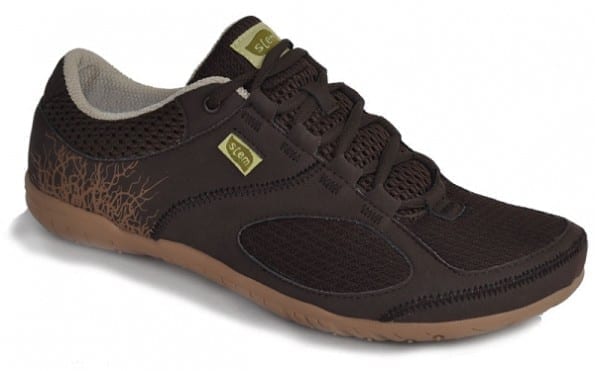
The compromise between convenience and durability and ensuring sufficient protection of the feet are popular pioneers. Comfortable, Often from impregnated leather with uppers, on a rubber sole called a vibram.
In the jungle
The ubiquitous moisture is the main problem in the jungle. In addition, the leg and calf leg should be protected against stinging plants. Rubber soles and the tips of these shoes protect the legs from getting wet, while the canvas uppers provide adequate breath. After the shoes are wet, the water will flow out of the sides of the shoes through special holes. The grooves in the sole are wide and deep, for the shoe to ensure stability on boggy ground.
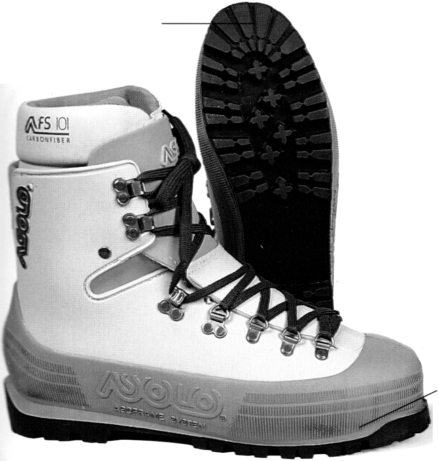 Plastic shoes
These shoes are designed to walk on ice slopes using crayfish. They hold the leg stiffly and ensure stability on slippery ground. They protect the feet against snow and frost. They have plastic shells, lined with soft, insulated internal boots, which you can wear separately, For example, in a tent. However, it is hard to walk in these shoes, It resembles walking in ski boots.
Protectors
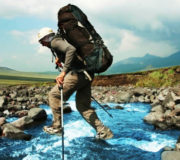
They are a very important part of the wardrobe of every real explorer. They are useful in both moderate countries, to protect the feet and legs of the pants from getting wet, as well as in polar conditions, When it comes to wading in deep snow, which presses into every gap. Thanks to well -fitted protectors, you can go through the shade through the plate river with almost dry foot. They are better than wellies, Because the legs in them do not sweat and do not overheat.
Washing shoes
 1 Wyciągnij sznurowadła i wkładki ze środka, and then wash the mud from your shoes. Remove peat, which contains acids that can damage the uppers.
2 Buty susz bez sznurówek i wkładek z wywiniętymi językami. Try to dry them away from the fire, Because high temperature can cause skin crack.
3 Suche buty wypastuj impregnującym środkiem. If you don't wear shoes in the near future, Hide them in a dry and cool place.