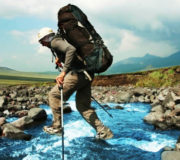
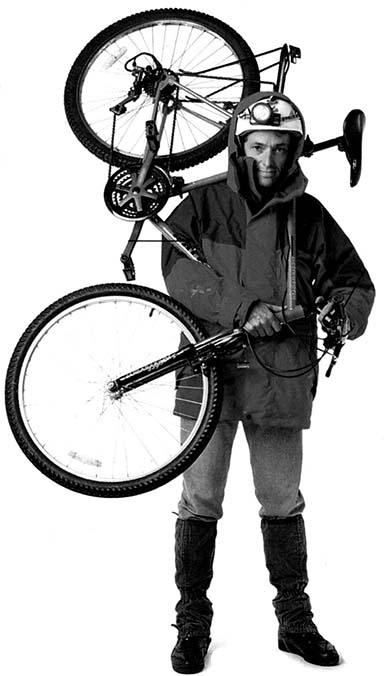
 Man as the only creation on earth moves in an upright position, Hence, all his weight is based while walking on the feet. If we still add the weight of the backpack and field difficulties, such as muddy mud or sharp rocks, We will understand easily, that the right footwear, providing feet protection, is probably the most important element of the equipment. Shoes, which you assume on an expedition, They must always be worn. New leather shoes are good to wet and come in them, until they dry. Care for foot hygiene on the trail. Wash them every day and sprinkle with talk. Always wear dry and clean socks, and after a long journey, seal with a slice, before it turns into a sore wound.
Light footwear
Canvas shoes
Many climbers use in light mountains, But strong canvas for walking in the camp or when approaching the wall or glacier. In this way, they save specialized climbing or heavy footwear, plastic snow shoes, at the same time leaving feet. Shoes of this type can also be useful on not too far trips, If the field conditions are not too difficult. Although they provide less protection than leather shoes, The use of fabric makes, that after wetting they dry very quickly and are much more convenient than heavy footwear.
In the desert
Light suede shoes with a hard sole ensure adequate protection during the march of the desert. You don't get sand, and at the same time the legs do not sweat and can ,,breathe". The uppers over the ankle protect against scratching with sharp thickets and hold the leg in the joint. With a large moisture, the pores in suede are expanding, So it must take a lot of time, Before the wet skin dries.
Sports shoes
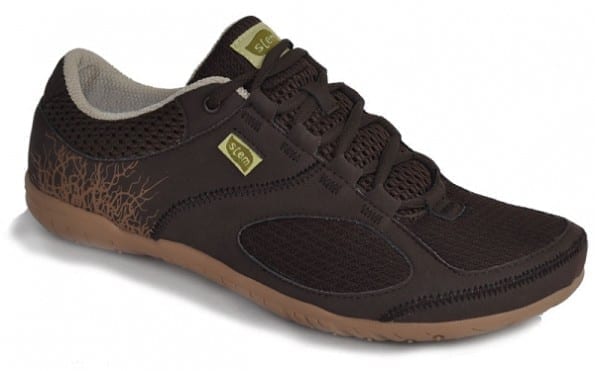
They provide rest to the feet in the camp, They are also good for a boat or a car. Comfortable and light, However, they do not protect the legs sufficiently in the field, Unlike heavy shoes. Wearing permanent sneakers can strain the feet, and therefore increase the susceptibility to injury.
In the wetland, sports shoes can easily get stuck and slide off the foot.
Socks
You can't go without thick socks – wool or terry. They separate feet from shoes and protect against rubbing. At the same time, thanks to them, the legs are warm and dry, because they absorb sweat, which soaks to the other side of the fabric and thus the skin has no direct contact with moisture. At low temperatures, two pairs of socks should be put on.